Jeju Island
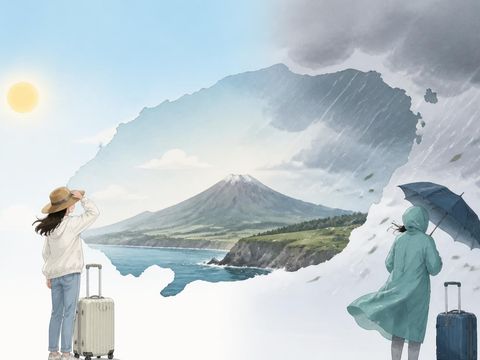
Jeju Weather Won't Ruin Your Trip — If You Plan Like This
Jeju's famously moody weather can unravel even the best-laid itinerary. Here's how to build a trip that bends with the forecast instead of breaking against it.
Odin Park
Jeju has always been there — but it greets you differently every time. This August, we're walking the island from the very beginning: its myths, its hidden lanes, and the food that tastes like survival turned into something delicious.
As the plane drops below the clouds, the first thing you see is the pattern of the fields — drawn out in dark stone walls that don't run in straight lines but curve and bend with the shape of the earth itself. Every time I see them, I think the same thing: this island wasn't built by people. It was wrested from the world by them, just barely.
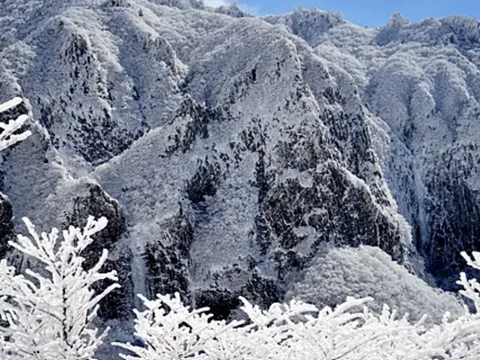
Jeju has always been here, but it shows you a different face each time. In spring, it's the island of yellow canola flowers. In winter, it belongs to snow-dusted Hallasan. In August, Jeju is at its most intense — hottest, heaviest, most alive. This month, we're walking it from the beginning: the stories of how the island was born, what its people have kept alive through the centuries, and the back lanes that haven't yet been worn smooth by tourist footfall.
This piece is the opening map of that journey — a wide view of Jeju before we zoom in.
Jeju's ancient name was Tamna, meaning "island kingdom." Sometime around the third century BCE, the first settlement took root in what is now Samyang-dong, and from that moment the island has lived on its own time — apart from the mainland. Tamna was an independent kingdom that crossed the sea to trade. It wasn't until King Taejong of the Joseon dynasty that Jeju was formally drawn into the mainland map, divided into the three administrative districts of Jeju-mok, Jeongeui-hyeon, and Daejeong-hyeon. But the memory of that long independence hasn't gone anywhere — you can feel it in the air of the place. The island also carries darker chapters: the long shadow of Japanese colonial rule, and the wounds of war. To really know Jeju is to know that this is not merely a beautiful island. It is an island that has endured.
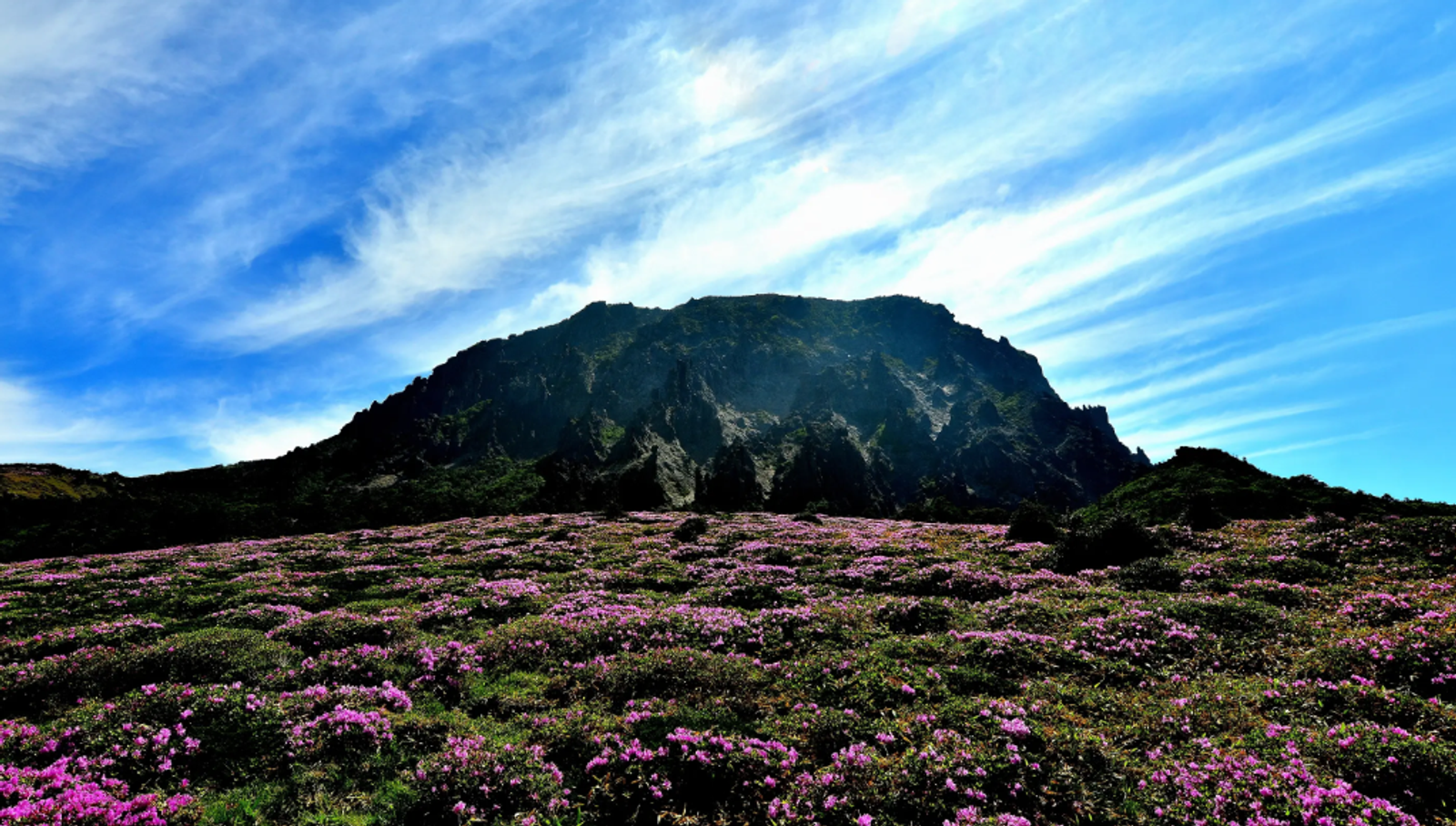
Then there are the stories older than history. Seolmundae Halmang — the giant grandmother goddess who carried soil in the folds of her skirt and tipped it into the sea to make Jeju. Where the earth spilled and piled up, the volcanic hills called *oreum* rose. The last great mound she shaped became Hallasan, the island's highest peak. She snapped off the very top with her hand and threw it — and where her palm had rested became Baengnokdam, the crater lake at the summit, while the piece she flung landed to the southwest and became Sanbangsan, the great dome-shaped mountain you can see from the coast. Every contour of this landscape carries the trace of a divine hand.
There is also a founding story for the people themselves. In the beginning, the land was empty. Then from a hole in the earth on the northern slopes of Hallasan — a place called Mohonghyeol — three demi-gods emerged. They became the ancestors of the Go, Yang, and Bu clans: the first people of the island. A god shaped the land; from that land, the people were born. These two myths are the oldest sentences Jeju has ever written about itself.
Jeju has long been known by the name Samdado — the island of three abundances: wind, women, and stone. The volcanic rock became field walls and houses. The wind, fiercer here than almost anywhere in Korea, still gives the air a different texture. The reason women outnumbered men is a sad one: it was women who sustained the island, diving into the cold sea to harvest seafood as *haenyeo* — the famous Jeju diving women — while many of the men who went out to sea never came back.
And then there is Sammu — the "three absences": no thieves, no beggars, no gates. Even in hardship, the people of this island did not close their doors to one another.
The dolharubang — those broad-nosed, round-eyed figures carved from black basalt — are the oldest faces of Jeju. Once known by other names, like *beoksumori* and *useongmok*, their blunt, almost amused expressions have become the island's defining symbol. The royal azalea (*chamkkot*) is the island's official flower, chosen to represent the passion of its people; the camphor tree, which grows green and strong in thin, difficult soil, stands for diligence and patience. Look closely at any of Jeju's symbols, and they're all telling the same story: the art of holding on.
Jeju is not an island you can do in just one way.
There are the Olle Trails — a network of coastal walking routes where your only company is wind and the sound of waves, and where you let your body and your thoughts slow down to the same pace. There are kayaking trips across water so clear it looks like glass, and scuba diving that takes you into the deep blue quiet below the surface. If you want to push yourself differently, you can take on off-road driving through the island's raw terrain, or spend a slow afternoon in a citrus orchard café, picking tangerines yourself and tasting what the season actually feels like. And then there is the gentle pleasure of café-hopping — following a thread of beautifully individual local cafés from one corner of the island to another.
Jeju adjusts itself to whatever pace and temperature you bring to it. Over the course of August, we'll be going deeper into each of these themes.
Whether this is your first visit or your fifth, there are places on this island where you find yourself standing still.
Hallasan rises to 1,950 metres — the roof of Jeju and the heart of the island. The Gwaneum-sa and Seongpanak trails climb all the way to the Baengnokdam crater lake; the Yeongsil, Erimok, and Donnaeko trails lead to the sub-peak of Witseyoeum. Whichever path you choose, the view from the top reframes the entire island below you.
At the island's eastern tip, Seongsan Ilchulbong — Sunrise Peak — erupts from the sea like a crown. It holds not one but three UNESCO designations: Biosphere Reserve, World Natural Heritage Site, and Global Geopark. From the observation deck, you can take in Udo Island, the diving grounds of the haenyeo, and the coastline of Umutkae all at once.
Walking through the darkness of Manjanggul, one of the longest lava tube caves in the world, you genuinely feel the presence of another world beneath your feet. The shallow, luminous water of Hyeopjae Beach, stretching for nine kilometres, is August in Jeju made visible. Sanbangsan, where Seolmundae Halmang's legend lives in the rock; Camellia Hill, where over 500 varieties of camellia from more than 80 countries bloom; and Udo, the small island off the island, reachable only by ferry — a world within a world. Jeju's headline destinations are large, vivid, and genuinely overwhelming.
But the real Jeju asks you to walk a little further.
Musucheon stream, quiet enough that the sound of the water carries clearly because so few visitors find their way here. Soesogak, a narrow tidal inlet where the river meets the sea in a way that feels almost theatrical. Wonang Falls, tucked beneath a dense canopy of evergreens, its water an unexpected jewel-blue. Wander the winding lanes and low stone walls of Bongseong-ri in Aewol-eup, with Hallasan's slopes visible in the distance, and you'll understand what people mean when they call it "little Jeju." Quiet beaches without umbrellas. The Gimnyeong Coastal Path, where basalt rock and swaying silver grass (miscanthus) make a landscape unlike anywhere else on the island.
Behind Jeju's famous face, there are still many quiet ones. We'll be visiting them one by one in the issues ahead.
The best view in the world will surrender to hunger. In Jeju, the final page of any trip is always the meal.
Heuk-dweji gui — black pork, grilled over charcoal until the fat renders away — is the island's most iconic dish. The Jeju black pig survived in difficult terrain and harsh sea winds alongside the people themselves, and you can taste something of that in the meat. Gogi-guksu — noodles in a broth made from anchovy and pork stock — is the island's soul food, the bowl you come back to. Galchi-jorim, braised beltfish in a spiced sauce, and the freshest seafood — abalone, rockfish — are the sea's gifts to the island's table. Dak-saeu (spot prawns), eaten with the restaurant's own dipping sauce. And omegi-tteok — a chewy rice cake with a hole through the middle, shaped that way because the dough was traditionally used to brew a local rice wine called *omegi-sul*, and the hole made it easier to thread and ferment. Every dish Jeju makes tastes like hardship alchemised into something worth savouring.
This piece is only the first page — the map laid out flat before the journey starts. The myths that made this land. The symbols its people have carried. The ways to move through it with your whole body. The famous landmarks and the unnamed lanes. The food that completes it all.
For the whole of August, we'll be filling in this map, one place at a time.
Come walk with us — into the island built from wind, stone, and stories.
Jeju's famously moody weather can unravel even the best-laid itinerary. Here's how to build a trip that bends with the forecast instead of breaking against it.
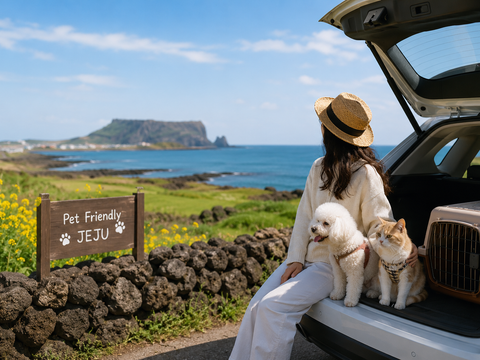
Jeju Island is fast becoming one of Korea's most pet-friendly destinations — but travelling there with a dog or cat takes more planning than you might expect. Here's how to get it right.
Every rock, every crater hill, every handful of rice on Jeju tells a story — if you know how to listen. Here's how to walk this island the way it was always meant to be walked: slowly, and with wonder.